Premium American Landscape Edging

The Edge That
Defines Everything.

Professional-grade metal edging — in Corten steel and stainless steel — that installs without digging, lasts without maintenance, and makes every garden look like it was designed to last forever.

2 Premium Materials
20+ Years Lifespan
53ft Max Pack Coverage
Zero Tools Needed
Curved corten steel garden edging defining a landscaped bed with ornamental grasses — the American Edging aesthetic

Landscape Edging | Lawn Edging | Garden Edging

Built for Gardeners Who Refuse to Compromise

American Edging was founded on a simple frustration: the landscape edging market was full of products that looked acceptable in the store and failed within a few seasons outdoors. Plastic borders that cracked in the cold. Painted steel that rusted through its coating. Aluminium that shifted and waved under soil pressure.

We sourced better. Our corten steel develops a natural, self-protecting patina that makes it more durable over time, not less. Our grade 304 stainless steel carries the same specification used in commercial kitchens and marine hardware — because if it withstands those environments, your garden is straightforward. Both materials are engineered to install without digging and require zero maintenance once they're in the ground.

The result: a clean, defined border that looks like it was installed by a professional landscaper and stays that way for twenty years or more. That's the American Edging standard.

Built to Last Materials engineered for 20+ years in any climate
One Afternoon Install No digging, no specialists, no complications
Zero Maintenance Install it, leave it — it does its job indefinitely
Pro-Grade Results The same materials used by professional landscapers

Two Materials. One Standard.

Every product we carry is specified for permanent outdoor performance. Choose the aesthetic that fits your garden — the quality is identical.

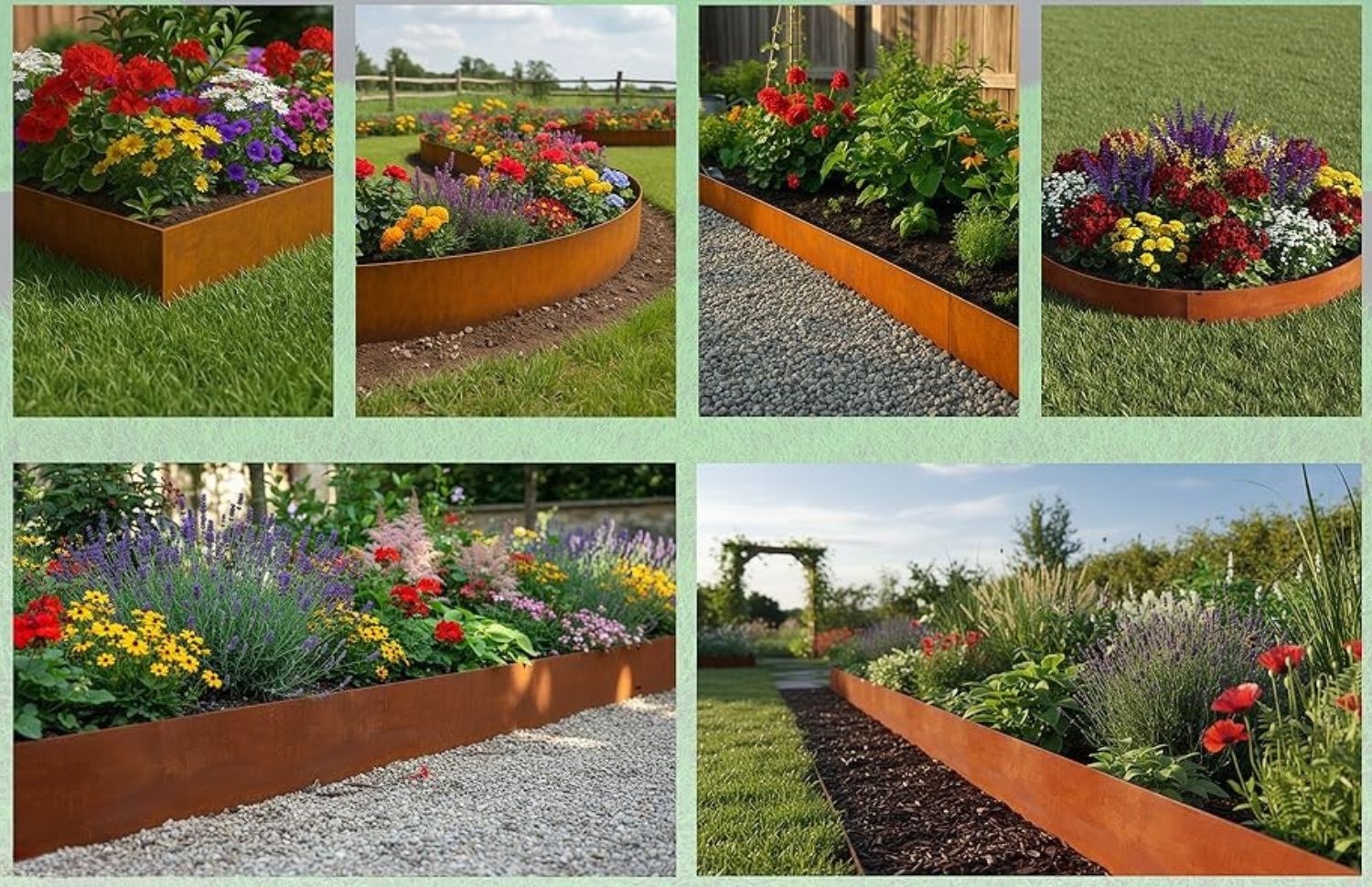
Bestseller Corten steel landscape edging installed along a garden border, showing the rich rust-coloured weathered patina
Corten Steel

Corten Steel Landscape Edging — 20ft Set

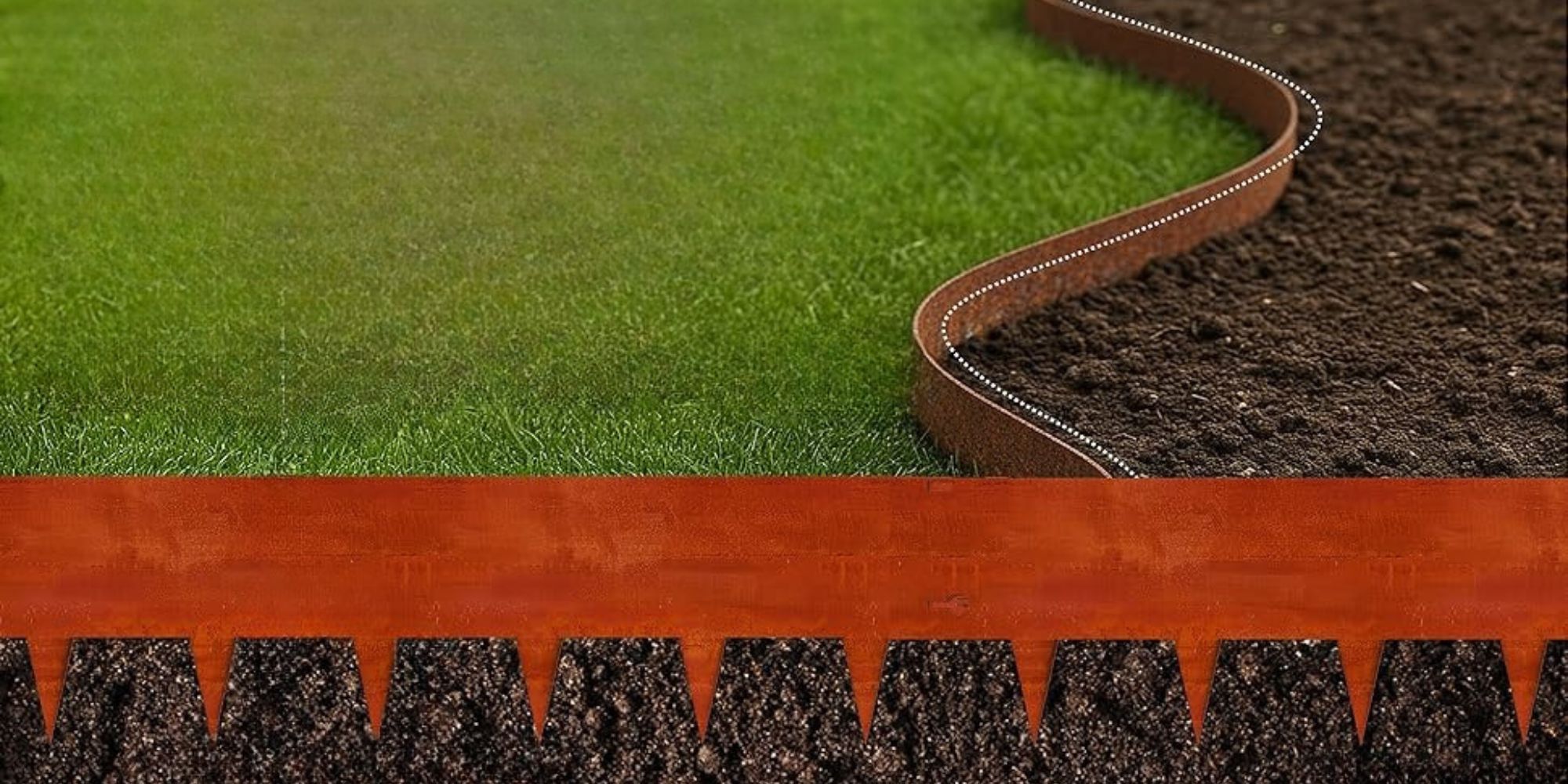
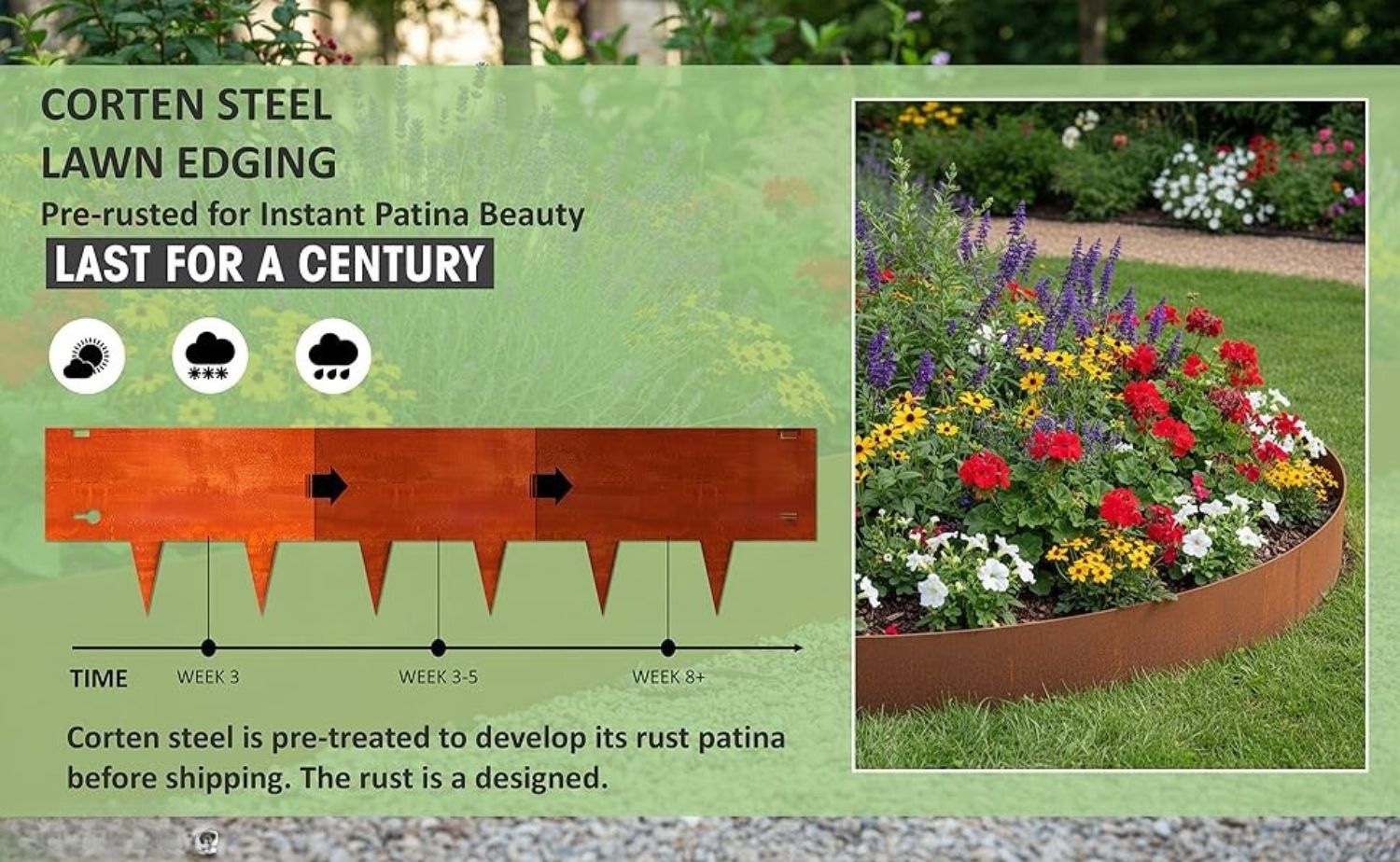
Heavy-gauge weathering steel that develops a rich, natural rust patina over time — becoming more protective and more beautiful with every season. The professional designer's material of choice for naturalistic and contemporary gardens.

  • Self-protecting weathering steel patina
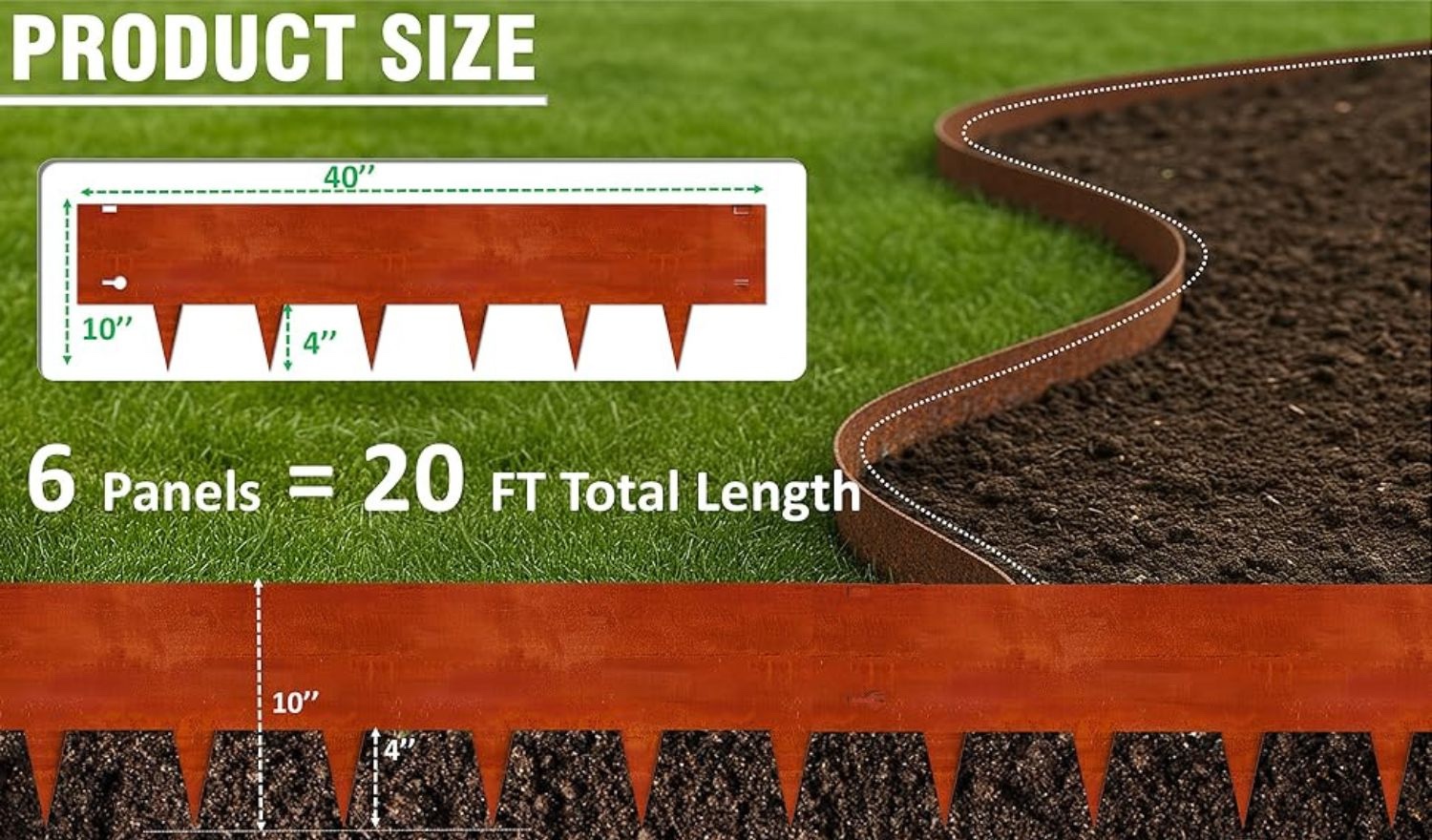
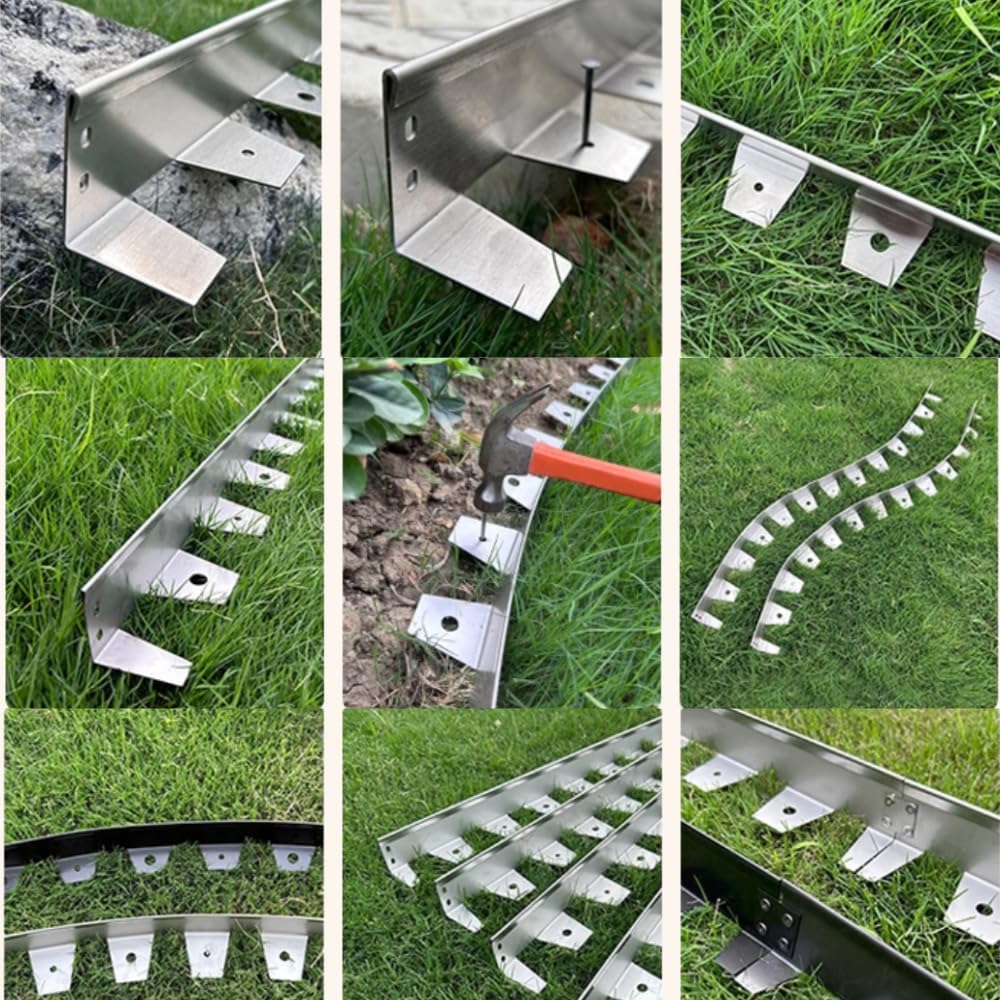
  • 20ft coverage — 6 strips, hammer-in design
  • No digging required — safety gloves included
  • All-climate performance including freeze-thaw
New Arrival Stainless steel garden edging curving along a vibrant green lawn border, showing the clean silver finish and pre-drilled stake holes
Stainless Steel

Stainless Steel Garden Edging — 33ft Set

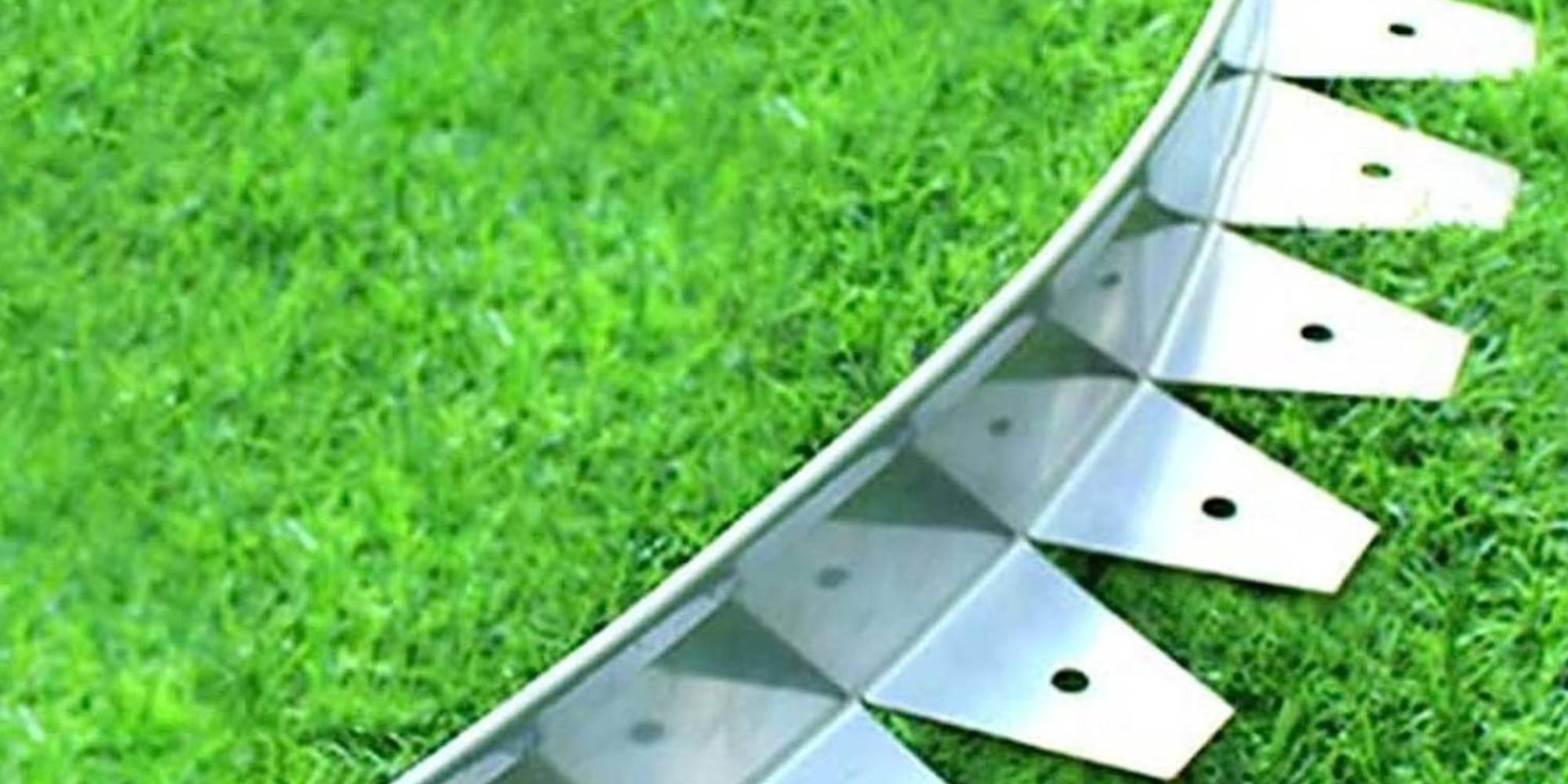
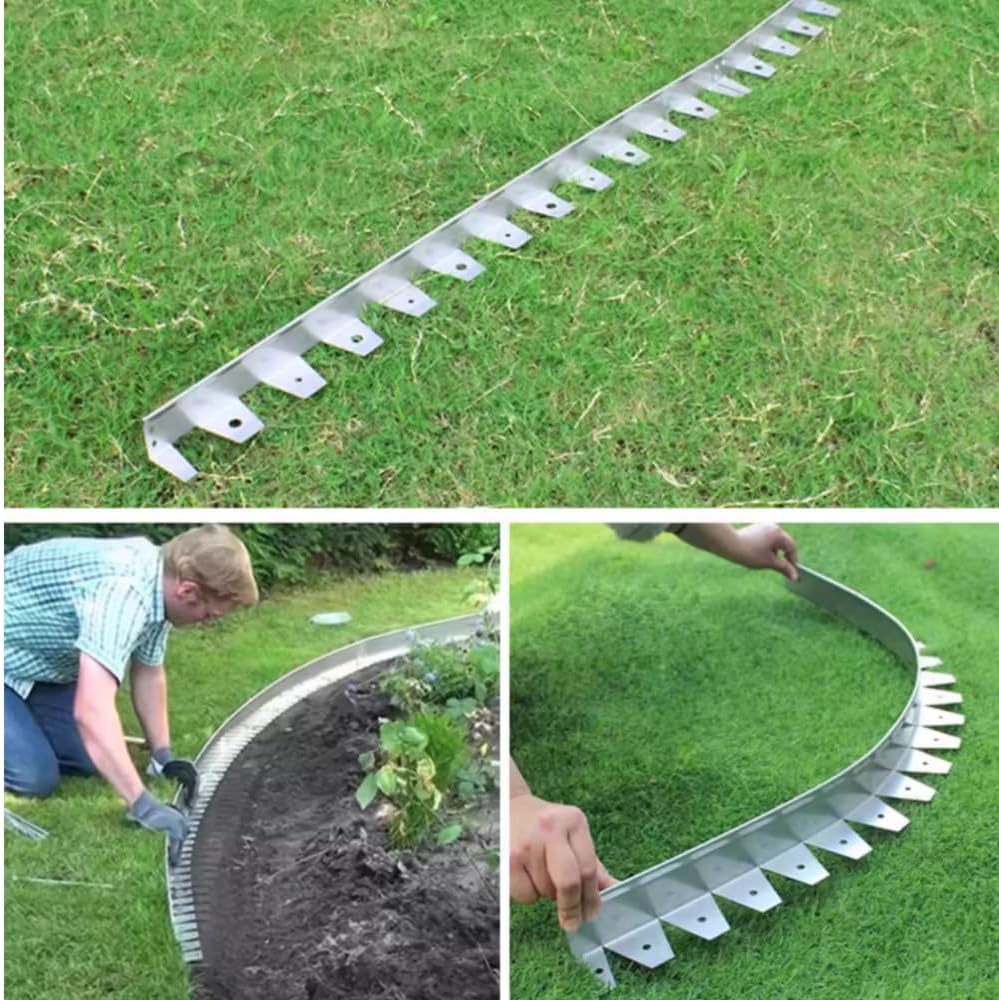
Grade 304 stainless steel with a clean, bright silver finish — flexible enough to bend into any shape, rigid enough to hold it permanently. The precision choice for contemporary, minimalist, and formal garden designs.

  • Grade 304 stainless — inherently rust-proof
  • 33ft coverage — complete kit, nothing extra needed
  • No-dig stake system — installs in one afternoon
  • Food-safe — ideal for vegetable gardens

The Standard We Hold Everything To

Permanent Materials Only

We only carry edging made from materials that don't degrade — no plastic, no painted finishes, no compromise. Every product in our range is built to outlast everything planted beside it.

No-Dig Installation

Both product lines install without excavation. Stake or hammer the edging into position and your borders are defined — in an afternoon, without professional help.

Zero Ongoing Maintenance

No painting, sealing, retreating, or seasonal preparation. Our materials maintain their performance and appearance year after year without intervention.

Free US Shipping

Every order ships free to all 50 states. Delivery in 3–7 business days with full tracking from dispatch to your door.

Everything Included

Every kit ships complete — stakes, connectors, hardware, gloves. There's nothing additional to source, nothing to make compatible. Open the box, start the installation.

Secure Stripe Checkout

All payments processed through Stripe with 256-bit SSL encryption. Visa, Mastercard, Amex, Apple Pay and Google Pay accepted. Your data is never stored.

Corten vs Stainless — Which Is Right for You?

Both materials deliver permanent, professional results. The choice comes down to the aesthetic your garden calls for.

Feature Corten Steel — $129 Stainless Steel — $99
Finish Warm rust patina — deepens over time Bright silver — matures to satin sheen
Coverage 20 feet (6-pack) 33 feet (10-pack)
Installation Hammer-in, no digging Stake through pre-drilled holes
Rust-Proof Self-protecting patina 304 grade, inherently rust-free
Maintenance Zero Zero
Food-Safe Once patina stabilises Fully food-safe from day one
Best For Naturalistic, rustic, contemporary gardens Modern, minimalist, formal gardens
Curved Edges Flexible by hand Flexible by hand
Shop Corten — $129 Shop Stainless — $99

What Gardeners Are Saying

The corten has completely transformed our front garden. Two years in and the patina is incredible — it looks like a professional designed the whole space. The installation took my husband and me one afternoon with no specialist tools at all.

Sarah H.
Corten Steel Edging — Portland, OR
Verified Purchase

I've replaced plastic edging three times in eight years. Got the stainless steel kit on a recommendation and it's been two growing seasons without a single issue. It bends perfectly around my curved beds and the silver finish against the dark mulch looks immaculate.

Marcus L.
Stainless Steel Edging — Austin, TX
Verified Purchase

Used the corten for my raised kitchen garden and the stainless for the formal lawn borders — incredible how well both work together. The quality is exactly what I wanted and both went in without any professional help. This is the last edging I'll ever buy.

Diana R.
Both Products — Denver, CO
Verified Purchase
Free US Shipping Every order, all 50 states
Secure Checkout Stripe SSL — 256-bit encrypted
Satisfaction Guarantee 30-day no-hassle returns
4.4+ Star Rating Across all products
3–7 Day Delivery Tracked from dispatch
Meet the Team

Meet Fifi — Our Chief Napping Officer

Every great company has a mascot. Ours sleeps through every meeting, ignores every deadline, and somehow still gets glowing performance reviews. Meet Fifi — the French Bulldog who inspired the American Edging work ethic. (We aim for her standard.)

Fifi the French Bulldog wearing a sleep mask on a fluffy grey dog bed — clearly taking her role as Chief Napping Officer very seriously
Fifi asleep on her bed at a desk — the CEO of Sleep in her natural environment
Executive Leadership
CEO of Sleep

Oversees all napping strategy across the organisation. Has not responded to a single email since 2021. Still considered essential personnel.

z z z z z
Fifi the French Bulldog deeply asleep on a fluffy round dog bed on an office desk, surrounded by a laptop and plants
Operations & Efficiency
Pawductivity Expert

Pioneered the groundbreaking 22-hour deep-rest protocol. Her white paper, "Why Napping IS the Strategy," is pending peer review.

z z z z z
Fifi asleep on an ottoman in a bright modern office with a whiteboard behind her
Digital & Technology
Head of Website Build Work

Responsible for all website decisions. Was present for zero of them. The site looks great anyway — which she has claimed as a personal win.

z z z z z
Fifi the French Bulldog asleep on her round fluffy bed at an office desk — best warehouse direct supplier
Supply Chain & Procurement
Best Warehouse Direct Supplier

Sources only the finest materials — specifically the finest napping surfaces. Approved the grey fluffy bed range personally. Twice. With a snore.

z z z z z
Fifi's official paw stamp of approval
Quality Assurance
The Fifi Stamp of Approval

Every product shipped from American Edging carries the unofficial — but deeply meaningful — Fifi Seal of Quality. This means it was sourced while she was asleep nearby. Standards are high.

* Fifi has never inspected a single edging product. Her pawprint is still on the wall. Nobody has the heart to remove it.

z z z z z

"Hard work is important. But have you considered a 14-hour nap on a premium fluffy surface instead? Just a thought. Goodnight."

— Fifi, Chief Napping Officer & Company Mascot  ·  American Edging

Frequently Asked Questions

From choosing between materials to installation, shipping, and everything in between — your questions about landscape edging answered.

The key difference is aesthetic and long-term character. Corten steel landscape edging develops a rich, warm rust-coloured patina over time — it's a living material that evolves beautifully and suits naturalistic or contemporary garden styles. Stainless steel garden edging maintains a clean, bright silver finish that suits modern, minimalist, and formal gardens. Both are permanent, zero-maintenance, and professionally specified — the choice simply comes down to the look you're creating.
Metal landscape edging simply doesn't share plastic's failure modes — UV brittleness, frost heave cracking, colour fade, and the tendency to rise out of the ground within a few seasons. Metal garden border holds its line, holds its position, and holds its quality indefinitely. When you calculate cost per year of service life, premium steel metal edging landscaping is consistently the more economical choice compared to plastic that needs replacing every 3–5 years.
If your garden has an organic, naturalistic feel — ornamental grasses, mixed perennials, raised beds, gravel paths — the warm rust tones of corten steel landscape edging complement it beautifully. If your garden is contemporary, minimalist, or formal — clean lawn lines, structured beds, modern hardscaping — the bright silver of stainless steel lawn edging is the stronger choice. Use our comparison table above to see the specs side by side, and our product pages go into full detail on each.
Yes — both products are hand-bendable without specialist tools. For curved edging around flower beds, organic borders, or S-shaped pathways, apply gentle, even hand pressure along the strip to shape smooth arcs before staking. The gauge of both steel products is specifically chosen to allow graceful curves while maintaining firmness once in the ground. For tighter radius corners, use two shorter sections joined at the curve rather than forcing a sharp bend.
Measure the full perimeter of every border, bed, or path you want to edge, then add 10–15% for curves (which consume slightly more linear material than a straight-line measurement suggests) and any cutting waste. Our corten steel pack covers 20 feet; our stainless steel pack covers 33 feet. Multiple packs connect seamlessly, so it's easy to cover larger projects. When in doubt, order one pack more than your measurement suggests — running short mid-installation is the most common frustration.
No professional is needed for either product. Both install without digging — the corten uses a hammer-in stake design; the stainless uses pre-drilled holes and included fixing stakes. The only tools required are a mallet, a tape measure, and a string line for straight runs. Most homeowners complete a 20–33 foot installation in a single afternoon. Full step-by-step instructions are included with every order, and detailed installation guides are on each product page.
Both products work excellently for straight driveway and pathway edging, but for a formal driveway border where precision and a sharp clean line are the priority, stainless steel lawn edging is the stronger choice — the bright silver finish creates a crisp, architectural edge that frames the driveway cleanly. Use a taut string line as your guide during installation to guarantee a perfectly straight run. For a more relaxed, characterful driveway border that ages naturally, corten is equally striking.
For flower bed borders that genuinely last — rather than needing replacement every few years — steel garden bed edging is the clear answer. Both our corten and stainless options define flower bed edges cleanly, prevent grass from creeping in, contain mulch, and require no seasonal maintenance. Corten's warm rust tones complement cottage and naturalistic flower bed planting particularly well; stainless provides a crisp, neutral finish that suits any planting colour palette.
A properly installed metal garden border creates a rigid physical barrier that lawn grass roots and runners cannot cross. The edging sits partly below grade, interrupting the horizontal root spread of lawn grasses at the soil level where it actually occurs. Unlike string trimming — which only cuts the visible grass — garden edging stainless steel or corten prevents the grass ever reaching the bed. The result is cleaner beds, less maintenance, and considerably more satisfying mowing.
In practice these terms are used interchangeably, but strictly speaking, garden edging refers to the physical material installed at the boundary between zones — lawn, bed, path — while a garden border refers to the planted area itself. A metal landscape border therefore is the edging strip that defines the planted border. Our products serve as both: they're the physical edging material that creates and defines the visual border of your garden beds, paths, and lawn areas.
Absolutely — this is one of the most effective applications for metal landscape edging. Steel creates a clean, rigid containment edge that keeps gravel in the path and out of the lawn or beds, eliminates the gradual spreading that unedged gravel paths suffer, and adds a sophisticated design line to the garden. The contrast between warm rust or bright silver against neutral gravel tones is a hallmark of contemporary garden design.
Concrete mowing edges require professional installation, significant labour, and are essentially permanent — if you ever want to redesign your garden, removing concrete edging is a major project. Steel landscape edging installs in hours without professional help, can be curved or reconfigured if your design changes, doesn't crack in freeze-thaw conditions the way concrete does, and costs a fraction of professional concrete installation. For most homeowners, steel metal edging landscaping delivers a superior result at dramatically lower cost and effort.
Our stainless steel garden edging is made from grade 304 stainless — the same alloy used in food processing and medical equipment — and is entirely food-safe from day one. Corten steel edging is also safe around edible gardens once the patina has stabilised, typically within 6–12 months. The iron oxide that forms is the same compound found naturally in garden soil. Both products are excellent choices as garden border edging for raised vegetable beds, herb gardens, and any edible planting.
Both our steel products perform reliably in freeze-thaw climates across all US states. Steel handles thermal expansion and contraction without cracking, warping, or lifting — the primary failure modes of plastic and concrete edging borders for gardens in cold climates. Corten steel was originally engineered for industrial outdoor use in extreme conditions; stainless steel grade 304 handles sub-zero temperatures without any change in structural integrity. From Minnesota to Maine, our landscape border products are built for American winters.
The most effective method is to first cut a clean spade edge along the line where you want the metal garden edging to sit, then position and install the edging into that fresh edge. For straight garden edges and borders, run a taut string line first as a guide. For curved lawn edging, use a garden hose laid along the ground to define your shape before cutting and installing. Once the steel is in place, backfill firmly on both sides — the edging will then maintain those clean lines indefinitely without further intervention.
Both products are available individually, and many of our customers use both — corten for naturalistic planting areas and stainless for formal lawn borders or pathways. Each product can be ordered in the quantity you need for your specific project, with multiple packs connecting seamlessly within each range. Contact us directly if you have a larger project with specific coverage requirements and we'll help you plan the right quantities.
The value calculation for garden borders and edging needs to be made over the full service life of the product, not just the purchase price. Plastic edging at $20–$30 replaced every 4 years costs more per decade than our steel garden bed edging at a single upfront purchase. Factor in the time spent on repeated installation and removal, and the cost comparison shifts even further in steel's favour. Our corten edging at $129 and stainless at $99 are both priced to deliver genuine long-term value — not just the lowest sticker price.
For cottage and traditional garden styles, corten steel landscape edging is the natural choice. The warm rust tones sit beautifully alongside herbaceous perennials, roses, cottage planting schemes, and mixed borders — providing structure and definition without clashing with the soft, romantic aesthetic. The material's aged, natural quality echoes the character of traditional garden design better than any painted or plastic edging border. It's garden border edging that looks like it belongs there.
Yes — tree ring edging is one of the most satisfying applications for metal landscape border. Both our corten and stainless products bend smoothly into the circles and ovals needed to create neat, defined rings around specimen trees and large shrubs. The result is a clean mulched zone that retains moisture, suppresses grass competition, and gives the tree a well-maintained, designed appearance. The steel holds its circular shape firmly once installed, unlike plastic which can deform over time.
None. That's the defining advantage of quality steel garden edging over painted, galvanised, or plastic alternatives. There's nothing to repaint, reseal, retreat, or replace. Corten edging requires nothing — the patina regenerates naturally if ever scratched. Stainless edging requires nothing — the chromium oxide passive layer is self-renewing. Install either once and your lawn edging, garden border, and flower bed borders remain defined and professional-looking indefinitely.
Our landscape edging products are designed for in-ground border use — defining the boundary at grade level between lawn, path, and planting areas. Used as a base-level border around raised bed structures, they provide a clean finishing detail that elevates the whole raised bed aesthetic and prevents mulch migration. For standalone raised bed wall panels with exposed vertical faces, you'd need heavier-gauge corten sheet — but for the edging and border work around the base of any raised bed, our products deliver a professional result.
Every order ships free to all 50 US states with no minimum order requirement. Delivery typically takes 3–7 business days depending on your location, and a tracking confirmation is emailed as soon as your order dispatches. We recommend ordering a few days ahead of any planned installation date to allow comfortable lead time, particularly for larger projects where multiple packs are needed.
All orders are processed securely through Stripe, one of the world's most trusted payment platforms. We accept all major credit and debit cards — Visa, Mastercard, American Express, Discover — as well as Apple Pay and Google Pay. Every transaction is protected by 256-bit SSL encryption. Your card details are never stored on our servers.
We stand behind every product we sell. If your garden edging arrives damaged or defective, contact us within 30 days of delivery for a full replacement or refund at no cost. For change-of-mind returns on unused, unopened products, reach out to our team and we'll work with you to find the right resolution. Our goal is simple: you should be completely satisfied with your metal landscape border, or we make it right.
Once installed, both our landscape edging products sit at ground level with only 3–4 inches of metal visible above grade — presenting no significant hazard in normal garden use. Both products include safety gloves for handling during installation, as cut steel edges are sharp and should be handled with care. After installation, the edging is effectively a low, smooth garden border that children and pets navigate without issue in a well-maintained garden environment.
Yes — both corten and stainless steel garden edging can be trimmed to a precise length using a standard metal saw or an angle grinder with a cutting disc. Always wear eye protection and safety gloves when cutting. Cut edges on stainless steel require no treatment; cut edges on corten will naturally weather and develop the same patina as the rest of the strip within a few weeks. This makes custom-fit garden border edging for any shape or dimension straightforward.
Aluminium lawn edging is corrosion-resistant but significantly less rigid than steel landscape edging — it deflects under sustained soil and root pressure, particularly at strip joints, producing the characteristic waviness that defeats the purpose of having a defined border. Steel metal edging landscaping holds its line firmly under pressure, carries more visual weight, and doesn't develop the surface oxidation deposits that aluminium can produce in certain soil conditions. For a lawn edging or garden border that stays exactly where you install it, steel is the more reliable choice.
Steel landscape border is ideal alongside bark mulch, wood chip, gravel, decomposed granite, or any decorative ground cover. The edging creates a rigid containment line that keeps the material within the bed and off the lawn or path — preventing the gradual migration that characterises unedged mulched beds. The contrast of warm corten rust against dark bark mulch is visually striking; the silver of stainless steel against pale gravel has a clean, architectural quality that defines contemporary garden design.
Yes — both products are fully reusable. Lever the stakes free with a pry bar or spade, lift the strips, clean them off, and reinstall in a new configuration without any loss of structural integrity. This is a significant advantage over concrete garden border edging, which is effectively permanent. If you're a keen gardener who likes to evolve your garden design over time, the relocatability of metal landscape edging is a practical benefit well worth considering.
Absolutely. Both products are designed to connect end-to-end seamlessly, so there's no practical limit to the length of garden border or landscape edging run you can achieve. The stainless steel pack covers 33 feet per unit; the corten covers 20 feet — multiple packs join using the included connector hardware with no visible seam at grade level. For very large landscaping projects, we'd recommend planning your coverage zone by zone and ordering each section's requirement together to ensure consistent material from the same batch.

The Complete Buyer's Guide to Landscape Edging

If you're serious about upgrading your garden edges and borders, this guide covers everything — from understanding the material options to planning your project, installing correctly, and choosing the right lawn edging or garden edging for your specific landscape. Whether you're defining flower bed borders, framing a driveway, or creating clean garden edges across a full property, the right information makes all the difference.

Why Landscape Edging Is One of the Highest-Impact Garden Improvements You Can Make

Garden edging does something no amount of planting, pruning, or mulching can replicate on its own: it creates a defined, legible structure that makes the whole garden read as intentional. A lawn with clean, crisp edging borders looks maintained and designed. The same lawn without defined garden edges and borders looks untidy regardless of how well-planted the beds are. Landscape edging is the framework on which everything else hangs.

Beyond aesthetics, the practical case for quality garden borders and edging is equally compelling. A properly installed metal landscape border prevents lawn grass from colonising planting beds — the number one source of recurring garden maintenance. It contains mulch, bark chip, and decorative gravel within flower bed borders, preventing the gradual migration that turns a tidy bed into a mess within weeks. It guides the mower wheel along a straight or curved line, eliminating the need for manual string-trimming around bed edges. And it provides physical structure that retains the shape of beds and paths over years and decades of soil movement and plant growth.

The choice of material — and the quality of that material — determines whether all of these benefits persist for one season or twenty years.

The Problem with Most Edging Borders for Gardens

The landscape edging market is dominated by products that perform adequately at the point of purchase and fail progressively afterward. Plastic edging cracks in UV exposure, becomes brittle in frost, and rises out of the ground during freeze-thaw cycling. Rubber edging sags and loses its line under sustained soil pressure. Thin painted steel edging relies entirely on its surface coating for corrosion resistance — and once that coating is breached by installation damage, soil abrasion, or UV degradation, the base steel rusts through rapidly.

The result is a category that most homeowners experience as a repetitive expense: buy, install, watch it fail, replace. Quality metal landscape edging — specifically corten (weathering steel) and grade 304 stainless steel — breaks this cycle entirely. Both materials have corrosion resistance built into the alloy itself, not applied as a surface treatment. Both are installed once and require no ongoing maintenance. Both improve or maintain their appearance over time rather than degrading. They represent a fundamentally different category of garden border edging — one that actually delivers on the promise of permanence.

Understanding Your Metal Landscape Edging Options

At American Edging, we carry two premium steel landscape edging products — corten steel and stainless steel — because they serve different aesthetic purposes while delivering the same standard of quality and durability. Here's how to understand each one and choose confidently.

Corten Steel Landscape Edging

What It Is

Corten — officially known as weathering steel or COR-TEN — is a low-alloy steel that contains copper, chromium, nickel, and phosphorus in a specific ratio that fundamentally changes how it oxidises. Rather than rusting through progressively (as ordinary steel does), corten forms a tightly bonded, chemically stable patina that acts as a self-renewing barrier against further corrosion. This patina — the warm rust tones that develop from amber orange to rich sienna over the first 6–18 months — is not a sign of deterioration. It is the material performing exactly as engineered.

Who It's For

Corten steel landscape edging suits gardens where the material's warmth and character are an aesthetic asset — naturalistic planting schemes, prairie and meadow gardens, cottage borders, kitchen gardens, and any space where the organic palette of rust, soil, and foliage create a cohesive visual environment. It's also the material of choice in contemporary and architectural landscapes where the patina provides a rich counterpoint to clean stone or concrete hardscaping.

Our corten pack covers 20 feet with six 40-inch strips, hammer-in design, and included safety gloves. No digging required. At $129 for the pack (reduced from $149), it represents exceptional value for a material that professional landscapers specify for high-end projects.

Stainless Steel Garden Edging

What It Is

Grade 304 stainless steel garden edging has corrosion resistance built into its alloy through a chromium oxide passive layer that forms on the surface and regenerates continuously when exposed to oxygen. There is no coating to breach, no paint to peel, no galvanising to fail. The bright silver finish transitions gracefully to a softer satin sheen over time — an evolution that most gardeners find more visually sympathetic than the initial mirror-bright surface.

Who It's For

Stainless steel lawn edging suits contemporary, minimalist, and formal garden designs where precision and a clean neutral finish are the priority. The silver tones complement pale gravel, dark mulch, and structured planting schemes equally well. It's also the preferred choice for edging around edible gardens, as grade 304 is food-safe and chemically inert in soil.

Our stainless pack covers 33 feet with ten 3.3-foot strips, pre-drilled no-dig stake holes, included fixing stakes, connector sheets, screws and nuts — a complete kit at $99 (reduced from $149).

Not sure which to choose? Use the comparison table on this page to see both products side by side. The short answer: if your garden has warm, naturalistic tones — choose corten. If it's clean, contemporary, and structured — choose stainless. If it's both, many of our customers use one for planting beds and the other for pathway and lawn edging.

How to Plan Your Garden Edging Project

Good planning before installation makes the difference between a garden that looks professionally designed and one that looks like an improvement project in progress. The following steps apply whether you're edging a single flower bed border or defining the full perimeter of a large property.

Step 1 — Map Your Garden Edges and Borders

Walk your garden and identify every boundary you want to define: the edges between lawn and planting beds, the sides of gravel or bark pathways, the perimeter of tree rings, the line along a driveway or patio edge. Sketch these zones — even a rough plan on paper helps you calculate coverage requirements accurately and think through sequencing. Mark any areas where curved edging will be needed versus straight runs.

Step 2 — Measure and Calculate Coverage

Measure the linear footage of each run. For curved garden edges and borders, lay a measuring tape along the actual curve rather than measuring the chord — curves require more material than a straight-line measurement suggests. Add all runs together, then add 15% to the total for cutting waste, corners, and any measurement errors. This buffer is important: running short of metal landscape edging mid-installation creates delays and can result in mismatched material from different batches if you need to reorder.

Step 3 — Choose Your Material by Zone

You don't have to use the same landscape border material throughout. Many experienced gardeners use corten for planting bed borders and naturalistic zones, and stainless for pathway edging and formal lawn edging — the different materials create distinct visual zones within the garden while both delivering the same quality of edge. Plan which material fits which zone before ordering.

Step 4 — Gather Your Tools

Both products install without specialist tools. You'll need: a heavy rubber or steel mallet, a tape measure, garden stakes and string line (for straight runs), a garden hose (for marking curved edging), and safety gloves — included in every American Edging pack. If you plan to cut any strips to length, add a metal saw or angle grinder to the list.

Installation: Creating Perfect Garden Borders and Edging

Both our corten and stainless steel landscape edging products install without digging, but taking a methodical approach produces significantly better results than rushing. Here's the process that consistently delivers professional-quality garden edges and borders.

Marking Straight Lawn Edging Runs

For straight lawn edging — along a driveway edge, beside a path, or creating a formal border between lawn and bed — set two stakes at either end of the run and stretch a taut string line between them. This gives you a precise alignment guide that you can check each strip against as you install. Steel landscape edging holds its position exactly where you install it, so the effort spent getting the line right beforehand pays off immediately in the finished result.

Creating Curved Garden Edging

For curved flower bed edging and organic garden border shapes, lay a garden hose along the ground to define your desired curve. Adjust it until you're happy with the shape — stand back and view it from multiple angles, and from the house if the bed is visible from indoors. Mark the final curve with sand or chalk, remove the hose, then install the garden edging along that line. Both corten and stainless steel bend smoothly by hand into gentle curves without kinking; for tighter radii, use two shorter sections joined at the bend point.

Hammer-In Installation (Corten)

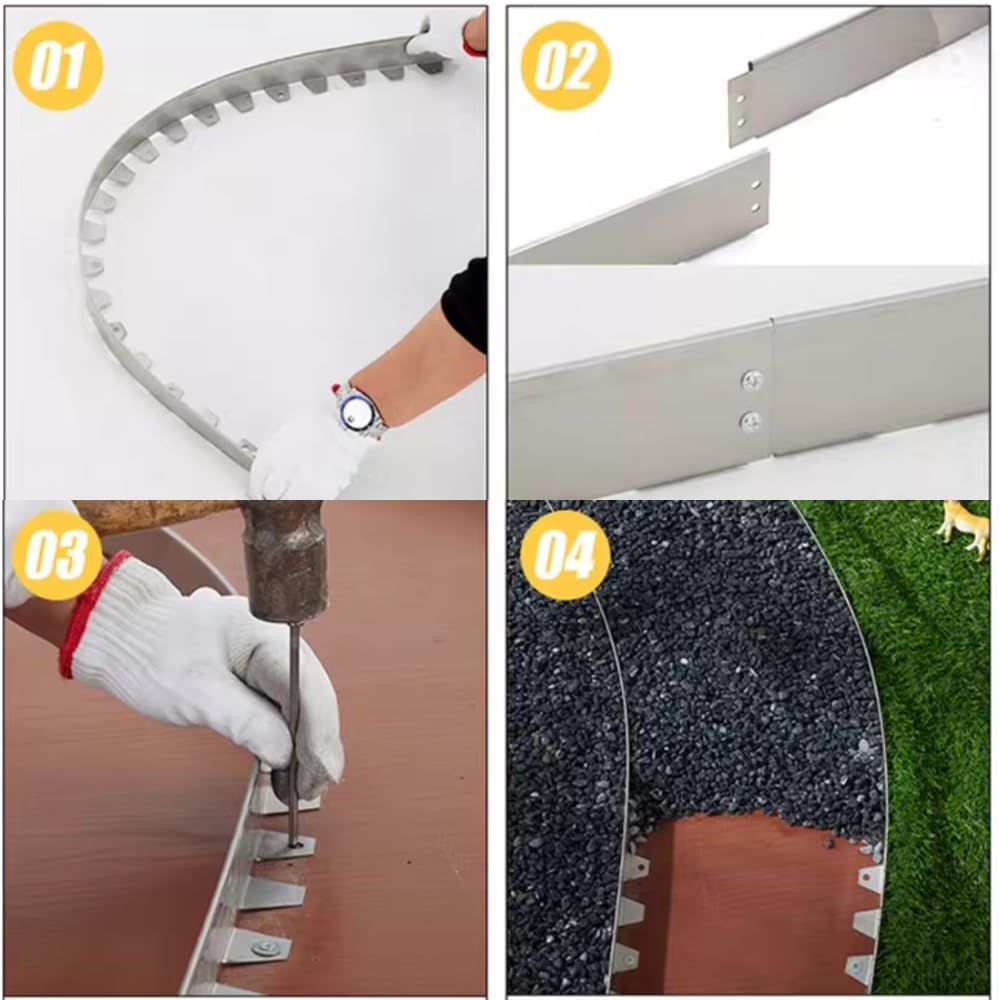
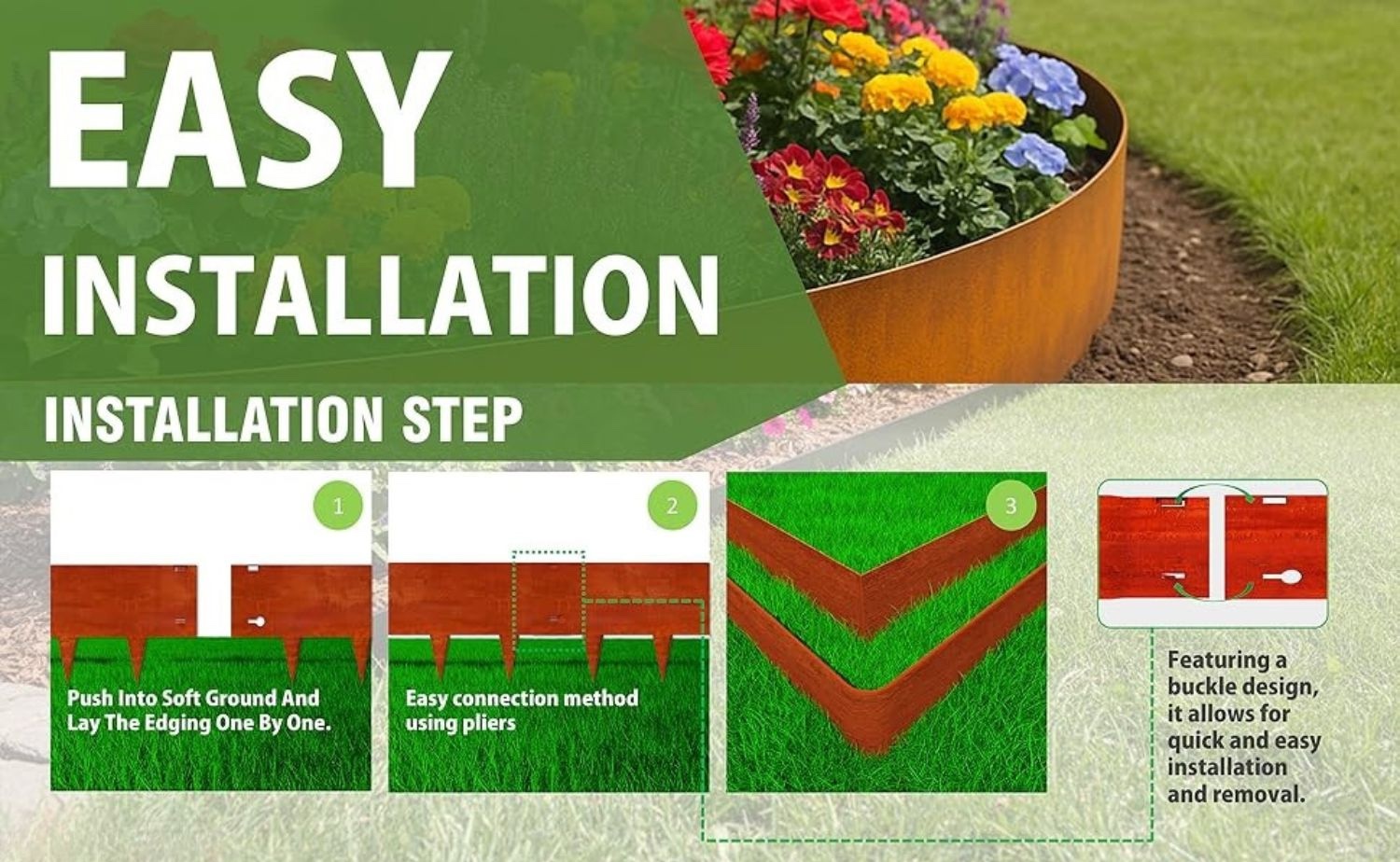
Position each strip along your marked line. Place a scrap piece of 2x4 lumber flat along the top edge — this distributes mallet force evenly and prevents the steel from distorting. Drive the integrated anchor stakes into the ground with firm, even mallet blows, checking vertical alignment as you progress. Continue along the border, connecting strips using the stake overlap design.

Stake-Through Installation (Stainless)

Position each strip along your marked line. Drive the included fixing stakes through the pre-drilled holes into the ground using a mallet. Connect adjacent strips using the included connector sheets, fastening with the provided screws and nuts. The pre-drilled hole placement ensures consistent stake spacing throughout the installation.

Finishing

Once all edging borders for gardens are in position, backfill any gaps on the outer face with soil and firm gently. Dress mulch or gravel on the bed side up to — but not over — the top edge of the installed steel. The contrast between the crisp metal line and the surrounding material is the moment the whole installation comes together. It's one of the most satisfying moments in garden design.

Design Ideas: Garden Edges and Borders That Transform Outdoor Spaces

Metal garden edging works across a wide range of garden styles and applications. These are the uses that consistently deliver the most dramatic visual improvements.

Flower Bed Borders — The Classic Application

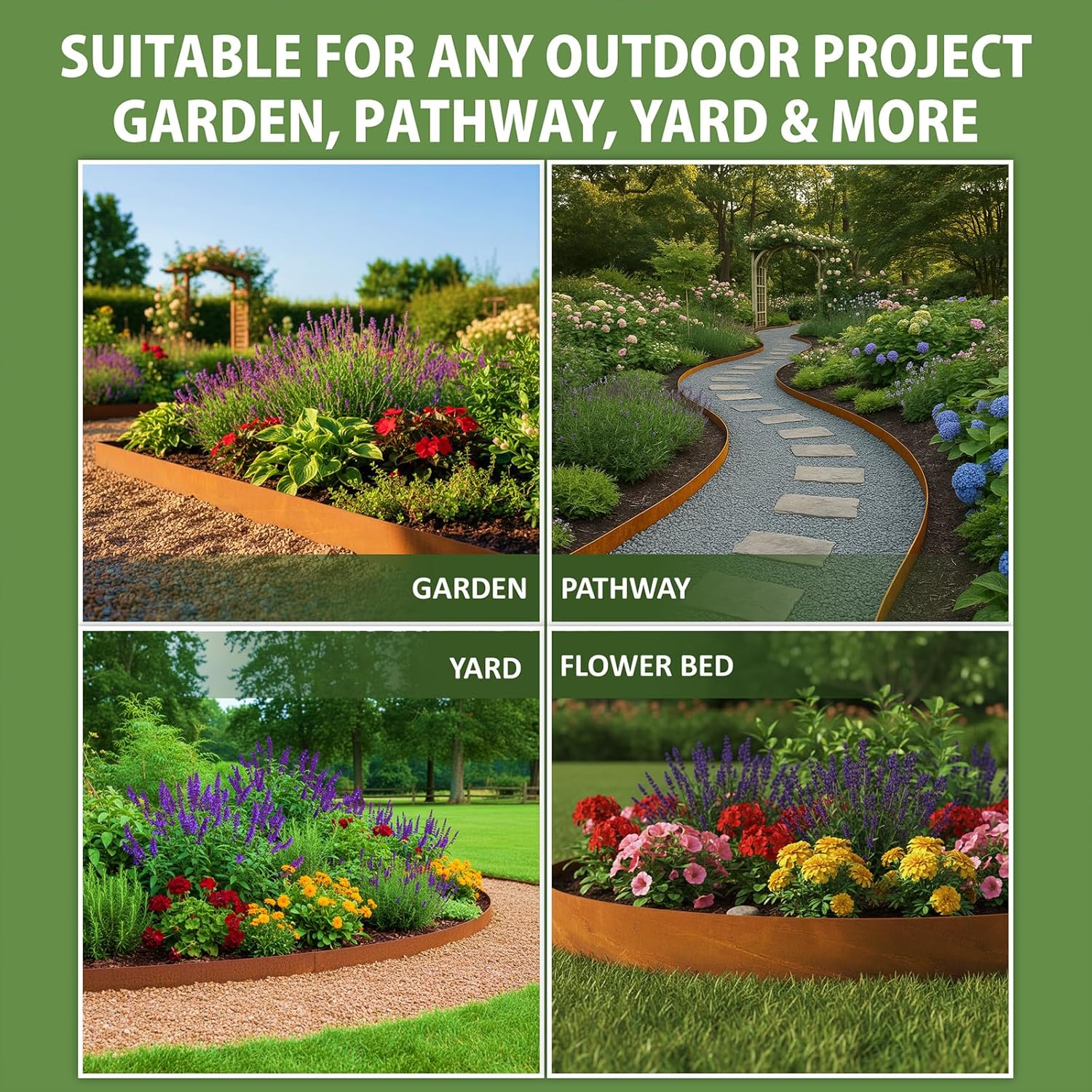
Installing flower bed edging along the interface between lawn and planting beds is the single highest-impact thing most homeowners can do to their garden. A clean steel flower bed border defines the shape of the planting, contains mulch and bark, prevents grass encroachment, and allows the lawn to be mowed right up to the edge without the tedious follow-up trimming. The visual difference between an edged and unedged flower bed border is dramatic — the former looks designed, the latter looks maintained.

Lawn Edging Along Paths and Driveways

Steel lawn edging alongside gravel paths, resin driveways, or paved surfaces provides both structural containment and visual framing. Gravel paths without edging gradually lose their definition as material migrates onto adjacent surfaces — metal landscape border eliminates this. Formally edged paths and driveways also create the clear circulation logic that transforms a garden from a collection of areas into a designed space.

Steel Garden Bed Edging Around Raised Beds

Used as a ground-level finishing border around raised planting structures, steel garden bed edging provides the clean transition between the bed footprint and surrounding lawn or path. It defines the mulched zone at the base of the structure, prevents grass competition, and gives the whole raised bed a tailored, considered appearance. Because grade 304 stainless steel is food-safe, it's particularly well-suited to kitchen garden and vegetable bed applications.

Garden Border Edging for Rock Gardens and Gravel Areas

Defining the boundary of rock gardens, gravel zen gardens, and decorative stone areas with metal garden border creates the crisp separation that makes these features read clearly in the landscape. Without defined garden border edging, the line between gravel and lawn becomes blurred within a season as materials migrate; with steel edging in place, the boundary stays precise indefinitely.

Curved Edging for Organic Garden Shapes

Free-flowing, organic garden shapes — island beds, sweeping borders, curved pathways — are one of the most effective landscape design moves available to homeowners. The challenge is maintaining the precision of those curves over time as soil shifts and lawn grasses advance. Properly installed curved edging in corten or stainless steel holds those flowing lines permanently, preserving the design intent of the garden without annual re-cutting.

Long-Term Value: Why Steel Metal Edging Landscaping Pays for Itself

The cost argument for premium steel metal edging landscaping becomes clear when you calculate it over a realistic ownership period rather than at the point of purchase.

The True Cost of Cheap Landscape Edging

Plastic landscape edging at $20–$40 per 20-foot section sounds economical. But replaced every 4 years — a realistic interval for most climates — that's $50–$100 over 10 years for the same 20-foot run, plus the time spent on repeated removal and reinstallation. Painted steel edging performs similarly, with the added problem of progressively worsening rust compromising both appearance and structural integrity. These hidden costs are rarely factored into the initial purchasing decision.

The Steel Landscape Edging Calculation

Our corten steel landscape edging at $129 for 20 feet has a realistic service life of 25–50 years under normal conditions. That's under $5 per year at the conservative end. Our stainless steel garden edging at $99 for 33 feet — with a grade 304 specification that should outlast the garden itself — costs under $3.30 per year over 30 years. At these numbers, the premium steel option is not just the most attractive and lowest-maintenance choice; it's the most economical one when measured correctly.

The real comparison: Plastic edging replaced every 4 years costs 3–4x more per decade than quality steel garden edging — before factoring in the time and effort of repeated installation. The upfront price difference is recovered within the first replacement cycle.

Choosing the Right Landscape Edging for Every Garden Style

The best garden edging choice is the one that integrates naturally with your garden's design language — reinforcing the overall aesthetic rather than creating visual noise. Here's a style-by-style guide.

Contemporary and Minimalist Gardens

Stainless steel lawn edging is the defining choice for clean, minimal spaces. The bright, neutral silver holds the colour temperature of the space without competing with planting or hardscape materials. Clean straight runs and precisely executed curves both look at home in contemporary design — the material has enough visual presence to register as a deliberate design element without dominating.

Naturalistic and Prairie Gardens

Corten steel landscape edging is the natural material for these spaces. The warm rust palette mirrors the tones of ornamental grasses, dried seed heads, and autumn foliage — the edging feels like it grew there rather than was installed. The evolved patina reinforces the sense of time and place that naturalistic garden design seeks to create.

Formal and Traditional Gardens

Either material works in formal garden design, with the choice depending on the warmth of the palette. Corten suits warm-toned formal schemes with red brick, terracotta, and warm stone; stainless suits cooler-toned formal gardens with grey stone, white render, and blue-grey planting schemes. Both provide the precision and permanence that formal garden borders and edging demand.

Kitchen and Productive Gardens

For vegetable gardens, herb beds, and mixed productive spaces, stainless steel garden edging is the superior specification — grade 304 is certified food-safe and doesn't leach any compounds into adjacent growing medium. Used as steel garden bed edging around raised structures, pathway edging between beds, or flower bed borders defining the ornamental from the edible areas, stainless provides clean, hygienic, and permanent definition.

Making Your Decision: A Final Summary

Landscape edging is not a complicated purchase — but the wrong choice costs time, money, and effort that compounds over years. The right choice installs once, performs without compromise, and makes your garden look better from the first day to the last.

American Edging carries two products because two materials solve two design briefs equally well. Corten steel landscape edging for warmth, character, and natural evolution. Stainless steel lawn edging for precision, brightness, and contemporary clarity. Both are zero-maintenance. Both install without digging or specialist help. Both cost less per year than any plastic or painted alternative when calculated honestly.

Whether you're defining a single flower bed border, creating curved edging around an island bed, framing a pathway, or establishing garden borders across an entire property — we have the product, the coverage, and the quality to do it right, once, and for good.

Your Garden Deserves
an Edge Built to Last.

Choose your material, install it in an afternoon, and never think about edging again. Two products. One standard. Zero compromise.